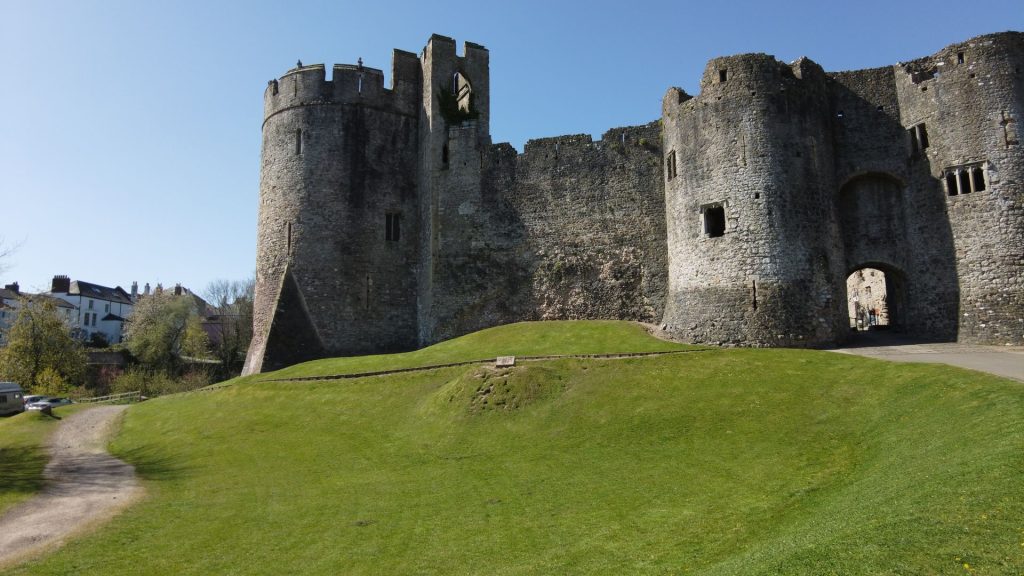
When it opened in 2012, the Wales Coast Path made history as the first dedicated route in the world to follow the entire coastline of a country from end to end. Running for 870 miles from the Dee Estuary near Chester in the north to the Severn Estuary at Chepstow in the south, it traces every headland, estuary and beach along the Welsh coast, offering an extraordinary variety of scenery within a single, continuous walking route. For those with real ambition, it can even be combined with the Offa’s Dyke Path along the England-Wales border to create a complete 1,047 mile loop around the whole of Wales.
The sheer scale of the path means most walkers tackle it in sections rather than all at once, and the official route is helpfully divided into eight distinct stretches, each with its own character. The North Wales coast opens the route with the historic castles of Flint and Conwy and the dramatic limestone headland of the Great Orme, before the trail circles the whole of Anglesey and threads its way around the wild, remote Llŷn Peninsula. From there it follows the long, gentle sweep of Cardigan Bay through Ceredigion, before entering Pembrokeshire, home to Britain’s only entirely coastal national park and some of the most dramatic cliff scenery anywhere in the UK. The route continues on through the Gower Peninsula, Britain’s first ever Area of Outstanding Natural Beauty, before finishing with a very different kind of coastal walking through the South Wales valleys, past Cardiff and on to the historic market town of Chepstow.
This variety is really what defines the Wales Coast Path. One week might bring towering sea cliffs and dramatic wave-cut coves, the next gentle estuary paths and wide sandy beaches, and the next historic harbour towns full of independent shops and good places to eat. Wildlife is a constant thread throughout, with bottlenose dolphins a regular sight in Cardigan Bay, grey seals hauled out on rocks all along the coast, choughs riding the updraughts above the cliffs of Pembrokeshire and Llŷn, and internationally important seabird colonies on islands such as Skomer and Ramsey just offshore.
History and culture run just as deep as the geology. The path passes medieval castles built during the conquest of Wales, ancient pilgrim churches on the way to Bardsey Island, the industrial heritage of former ports and harbours, and the literary associations of towns like New Quay, long linked with Dylan Thomas. Welsh language and culture remain particularly strong in the more remote stretches, adding a real sense of place to the walking that goes well beyond the scenery alone.
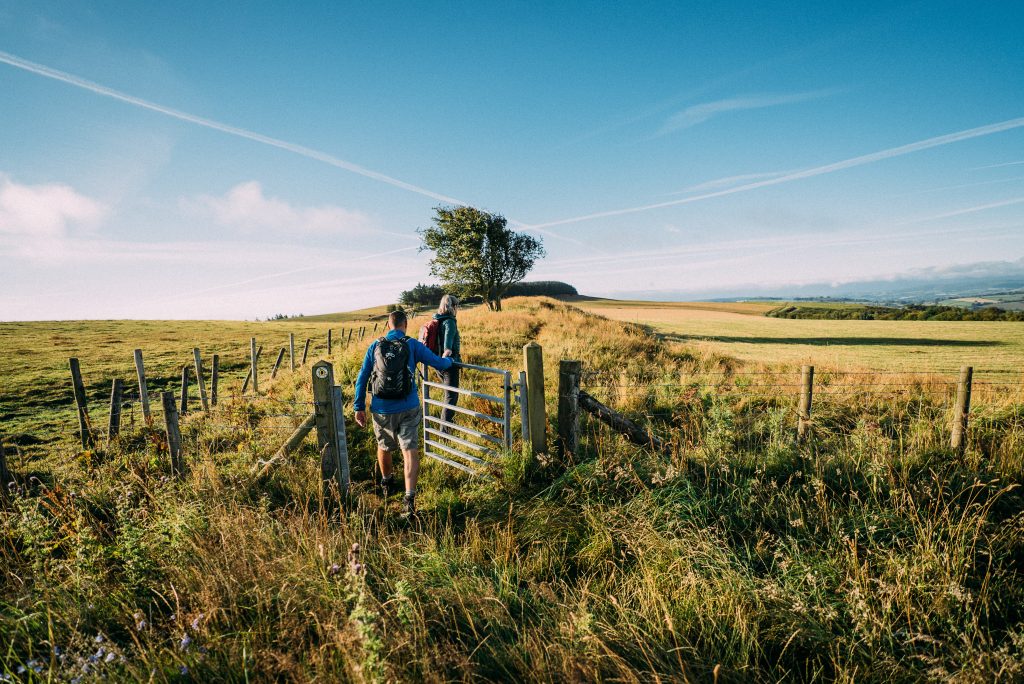
Whether you are drawn by the wildlife, the history, the sheer drama of the cliffs, or simply the pleasure of a good long walk with the sea for company, the Wales Coast Path offers something for every kind of walker. Its real strength lies in this flexibility, you can dip into a single section for a week’s holiday, string several together for a longer adventure, or set your sights on the full 870 miles as a genuine once-in-a-lifetime challenge.
We offer self-guided walking holidays along a number of the Wales Coast Path’s finest sections, including our Llŷn Peninsula and Ceredigion Coast Path holidays, each designed as a standalone week’s walking or as part of a longer journey along the coast. As with all our self-guided trips, we take care of your accommodation each night, transfer your luggage between stops, and provide detailed route notes and mapping throughout. There are no fixed departure dates, so whether you are tackling a single section or working your way steadily around the whole of Wales, we can tailor an itinerary to suit your plans.
For those wanting a taste of the Wales Coast Path’s variety in a single week, here is one way to combine two of its finest sections.
Day 1: Arrive in Cardigan Settle into Cardigan, gateway to the Ceredigion coast, ready to begin walking the following day.
Day 2: Cardigan to Mwnt and Aberporth An early highlight, passing the iconic whitewashed church at Mwnt before continuing along dramatic cliffs to Aberporth, watching for dolphins offshore.
Day 3: Aberporth to New Quay A beautiful day of small coves and headlands, including Llangrannog and Ynys Lochtyn, ending in the colourful harbour town of New Quay.
Day 4: New Quay to Aberaeron A shorter, easier day along the coast to the elegant Georgian harbour of Aberaeron, well worth an early finish to explore.
Day 5: Transfer to Pembrokeshire, St Davids area Travel south to Britain’s smallest city, St Davids, gateway to some of the most dramatic cliff scenery on the entire Wales Coast Path.
Day 6: St Davids Head and the Pembrokeshire cliffs Explore the rugged coastline around St Davids Head, taking in wild headlands, hidden coves and, with luck, views out to the seabird colonies of Ramsey Island.
Day 7: Depart Enjoy a final morning by the sea before making your way home.
(Itinerary shown as an example – this trip can be adapted to focus on any section of the Wales Coast Path, combined into a longer multi-week journey, or built around the full end-to-end route for those with the time and ambition.)